Within minutes of downloading Snapchat, without searching or interacting, our 13-year-old fictional character, Nevah, was exposed to inappropriate content and language, random adult accounts, and dangerous features. This experiment reveals how quickly algorithms shape a child’s experience and why parental involvement is critical.
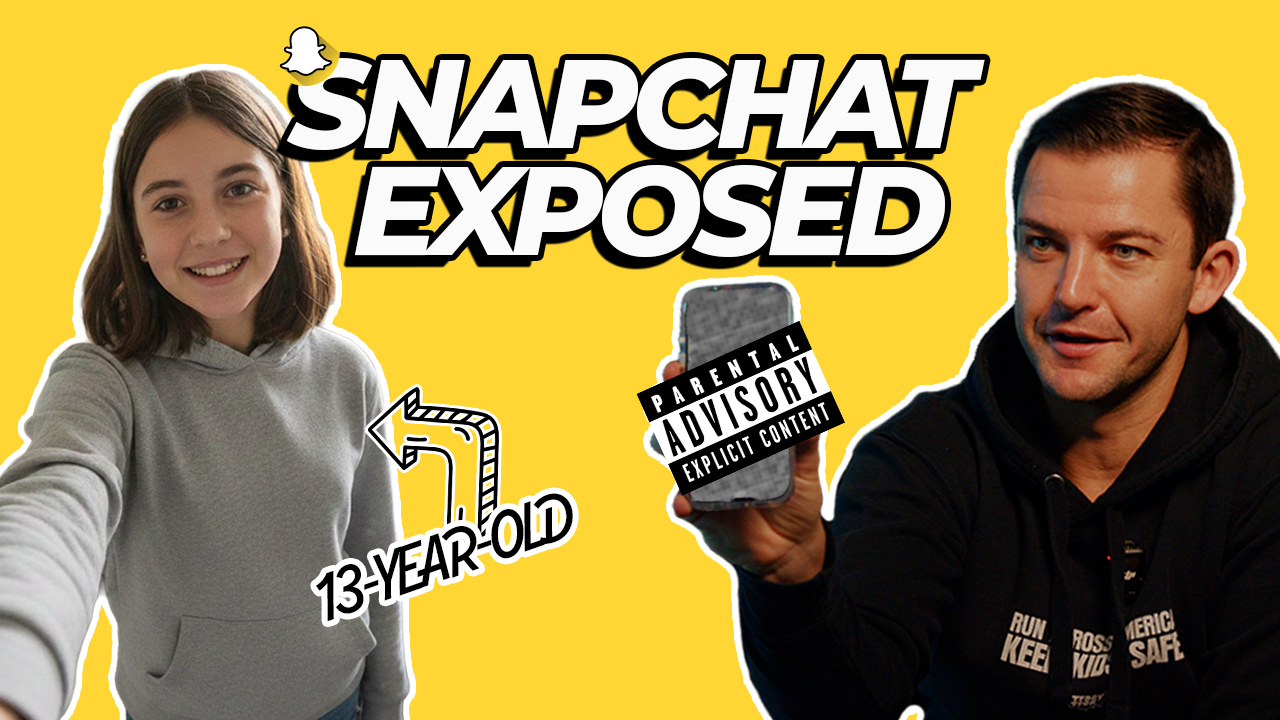
Nevah (Haven spelled backwards) is a 13-year-old fictional girl our team created using AI.
She just got a brand new iPhone.
The phone has no search history, no previous data, and no contacts. It had never been used before at the start of this experiment. Nevah’s phone is set up exactly like millions of kids’ phones are today, using default settings for her age.
Nevah is joining the most popular social media, video game, and AI platforms used by kids around the world. Our goal is to show parents what content appears, how quickly it shows up, and how these platforms begin shaping a teenage user’s experience from day one.
Within seconds of turning on her iPhone for the first time, Nevah went to the Apple App Store and was immediately prompted to download apps like Roblox, YouTube, TikTok, and Snapchat.
Before Nevah even downloaded Snapchat from the App Store, she was shown an article titled “5 Ways to Make the Most Out of Snapchat.” The article encouraged her to:
All of this was shown to a 13-year-old before she ever created a Snapchat account.
Within seconds of joining Snapchat, Nevah was encouraged to add hundreds of friends. Many of the suggested accounts appeared to be adults.
The app even went in and automatically selected seven friends for her.
Then, within minutes, Nevah’s Snapchat feed began showing:
Again, we didn’t search for anything. We didn’t like, follow, or interact with content. This is what appeared by default.
This experiment exists to give parents an authentic view of what kids are being exposed to online today.
What Nevah experienced wasn’t extreme. It wasn’t rare. It wasn’t the result of Nevah’s “bad choices.”
It was the result of default settings and algorithms on one of the most popular apps in the world.
Based on what we’ve documented, existing evidence, and the stories we hear while speaking in schools across America, Snapchat is simply not safe for elementary and middle school–aged students.
If your child is on Snapchat and getting them off the app isn’t possible or realistic right now, parental involvement is critical.
We’ve built resources to help parents take practical, informed action.
If your kids are on Snapchat, we strongly encourage parents to join Haven.
Nevah shows parents what’s actually happening. Haven gives parents step-by-step tutorials to help keep their children as safe as possible on apps like Snapchat.
Inside our Haven Snapchat Module, we cover:
We built Haven to give overwhelmed parents clarity, confidence, and peace of mind in a digital world that’s changing faster than most families can keep up with.

Our team created a fictional 13-year-old with a brand new iPhone to see what kids encounter on social media.
Within minutes of first being on the phone:
Bottom line: This is what algorithms serve kids immediately. Not from bad choices, but from default settings.
Recommendation: Snapchat is simply not safe for elementary and middle school–aged students.. If your child uses it, parental involvement is critical.

Ben Tracy is a leading keynote speaker on digital citizenship, online safety, and responsible social media use.
He is also a successful endurance athlete who recently completed a 3,125 mile transcontinental run across America to raise awareness about the dangers facing children online and honor children lost to social media harms.
Over 125 days, Ben completed 120 marathons from coast to coast and spoke in more than 50 schools along the way.
Since 2018, Ben has spoken to more than 500,000 students, parents, and educators in over 600 schools nationwide.
Get step-by-step video tutorials, real-time alerts, a growing parent community, action plans and monthly live webinars. Join Haven Free for 7 days!
Join Haven

.svg)